
The Science Behind the
Microplastics Crisis
Microplastics have been found in every human organ tested
These aren't inert particles. These plastic particles, with a maximum dimension of <5 mm, act as chemical cargo carriers — concentrating pesticides, heavy metals, endocrine disruptors, and industrial toxins, then delivering them deep into your body's tissues.
They disrupt hormones, accelerate cellular aging, inflame tissue, and silently accumulate — in you, in your children, in your pets, in the food chain that connects us all.
This isn't a future threat. It's happening now, in every body, every day.
Concerns around heart, brain, reproductive, and immune health
People diagnosed with dementia had up to 10 times as much plastic in their brains as those without dementia.
of patients undergoing artery surgery had microplastics and nanoplastics in their arterial plaque.
Higher concentration of microplastics detected in brain tissue than 8 years ago.
People with microplastics in their plaque were 4.5 times more likely to have a heart attack or stroke within 3 years
The good news? Science has found a way to fight back.
Pμre BioHealth's patent pending technology delivered measurable reductions in blood microplastic levels and glyphosate concentrations in just 30 days. Confirmed by university mass spectrometry and validated through certified analytical methods.
A food-grade formulation designed to sequester ingested plastic particles
Reduction in blood microplastics
Microplastic reduction by particle surface area
Reduction in glyphosate concentration
Vegan Gel Capsules
GRAS-designated ingredients
Proven Results
Major Publications on Microplastics
Nature Medicine · 2024
Frontiers in Neuroscience · 2025
Our Scientific and Clinical Advisory Boards
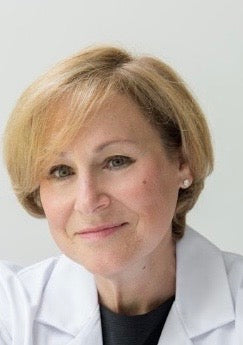
Dr. Debra Kimless, M.D.
Chief Medical Officer
Board-certified Anesthesiologist with Pain Medicine and Lifestyle Medicine certifications. Rutgers MD, magna cum laude. Pioneer in medical cannabis research since 2013. Lead author on cannabinoid patent. Author of Plant Struck.
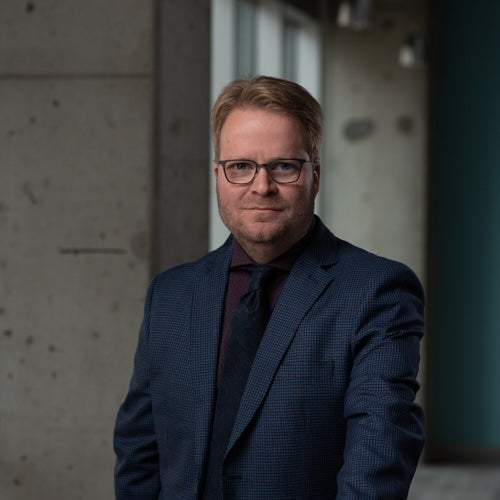
Dr. J. Phillip Kennedy
Founder, Chief Science Officer & Board of Directors
25+ years in pharmaceutical research, medicinal chemistry, and novel market development. Proven track record in patent creation and IP portfolio building. Expert at translating scientific discoveries into commercial opportunities.

Dr. Janet Zand
Co-Founder, Chief Innovation Officer & Board of Directors
30+ years building mission-driven health organizations. Founder of Zand Herbal Formulas (1978). Co-Founder of Humann (2009). Former Chair of NCCAOM. Author of Smart Medicine for a Healthier Child.
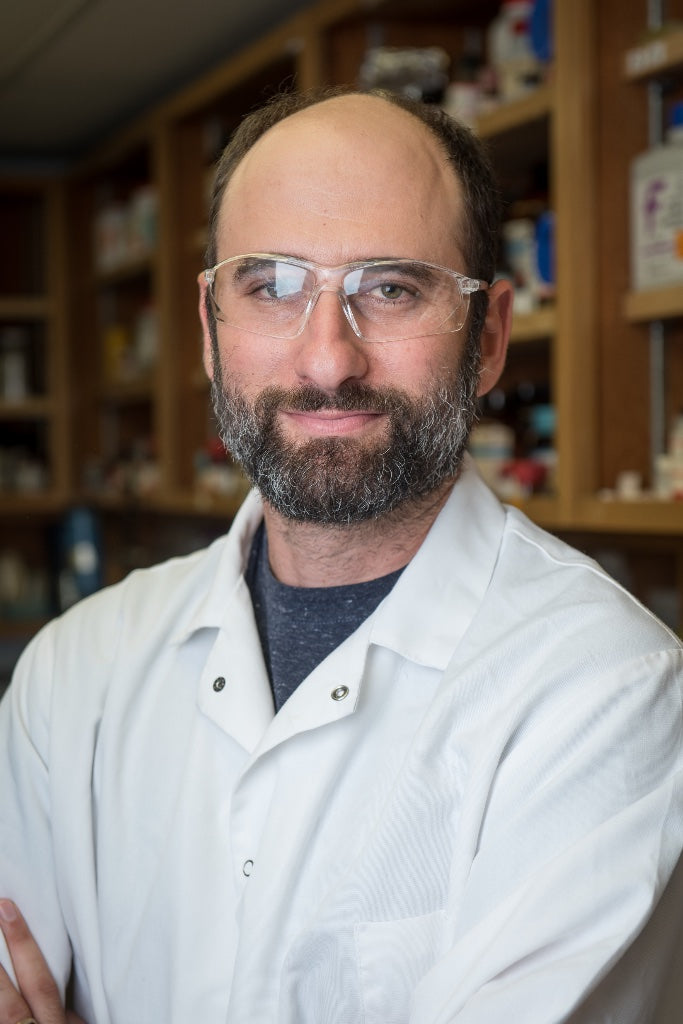
Benjamin Katz
Scientific Advisor — Mass Spectrometry & Microplastics
Proteomics Specialist at UC Irvine with 17+ years expertise and 1,200+ citations. B.S.E. Biomedical Engineering, Georgia Tech. Expert in HPLC, ESI, and MALDI-TOF for microplastics detection in biological samples.
- Choosing a selection results in a full page refresh.
- Opens in a new window.